

May 25, 2022
Natto is made from soybeans, which are fermented and inoculated with Bacillus Subtilis Natto after being cooked. The surface of the finished natto is golden yellow and covered with a layer of sticky substance.
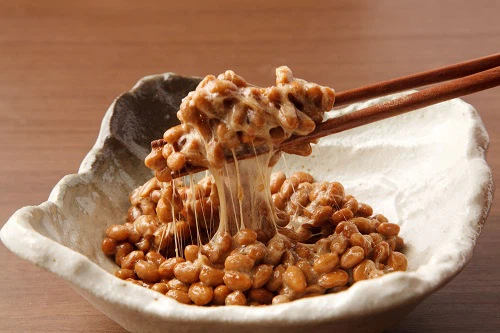
As a good source of protein and fatty acid, soybean has a long history of consumption in China. The fermentation process makes better use of soybean nutrients. Common fermented soybean products include tempeh, soybean paste, soy sauce, and fermented bean curd. The traditional fermentation method uses soybean as raw material for solid-state fermentation.
The traditional production method of natto is to use dry straw to bury the boiled soybeans while hot, and to ferment at 40°C for 1 to 2 days with the help of Bacillus subtilis on the straw. In post-industrial production, Bacillus natto is directly inserted into cooked soybeans.
Natto is rich in nutrients, such as protein, vitamins, unsaturated fatty acids, etc., and is easily absorbed by the human body.
It is a vegetable food rich in crude protein and crude fat. In addition to containing 61.8% water, its main components are crude protein 19.26%, crude fat 8.17%, carbohydrates 6.09%, crude fiber 2.2%, ash 1.86%, etc. It contains a variety of essential amino acids and beneficial active substances, giving natto nutrition and health care.
In addition, natto has a variety of physiological functions, such as dissolving blood clots, lowering cholesterol, antibacterial and anti-inflammatory, lowering blood pressure, delaying aging, regulating intestinal tract, preventing osteoporosis, etc.
As a natural health food, natto is often fermented by traditional solid state fermentation. It is not only nutritionally complete, but also prevents common diseases such as cardiovascular and cerebrovascular diseases and osteoporosis, so it has received a lot of attention.


WeChat: 18049213229
Tel: +86-018049213229
+86-029-88252883
No. 11 South Tangyan Road. Xi'an 710065, China


